Men's wellbeing
Food Routines for Men's Everyday Wellbeing
A men's everyday wellbeing routine works best when food is practical, repeatable and built around normal workdays, sport, commuting and evening meals.
This guide links back to the pillar atlas, forwards to the plan builder, and across to related food themes so the site feels like a connected magazine rather than isolated pages.
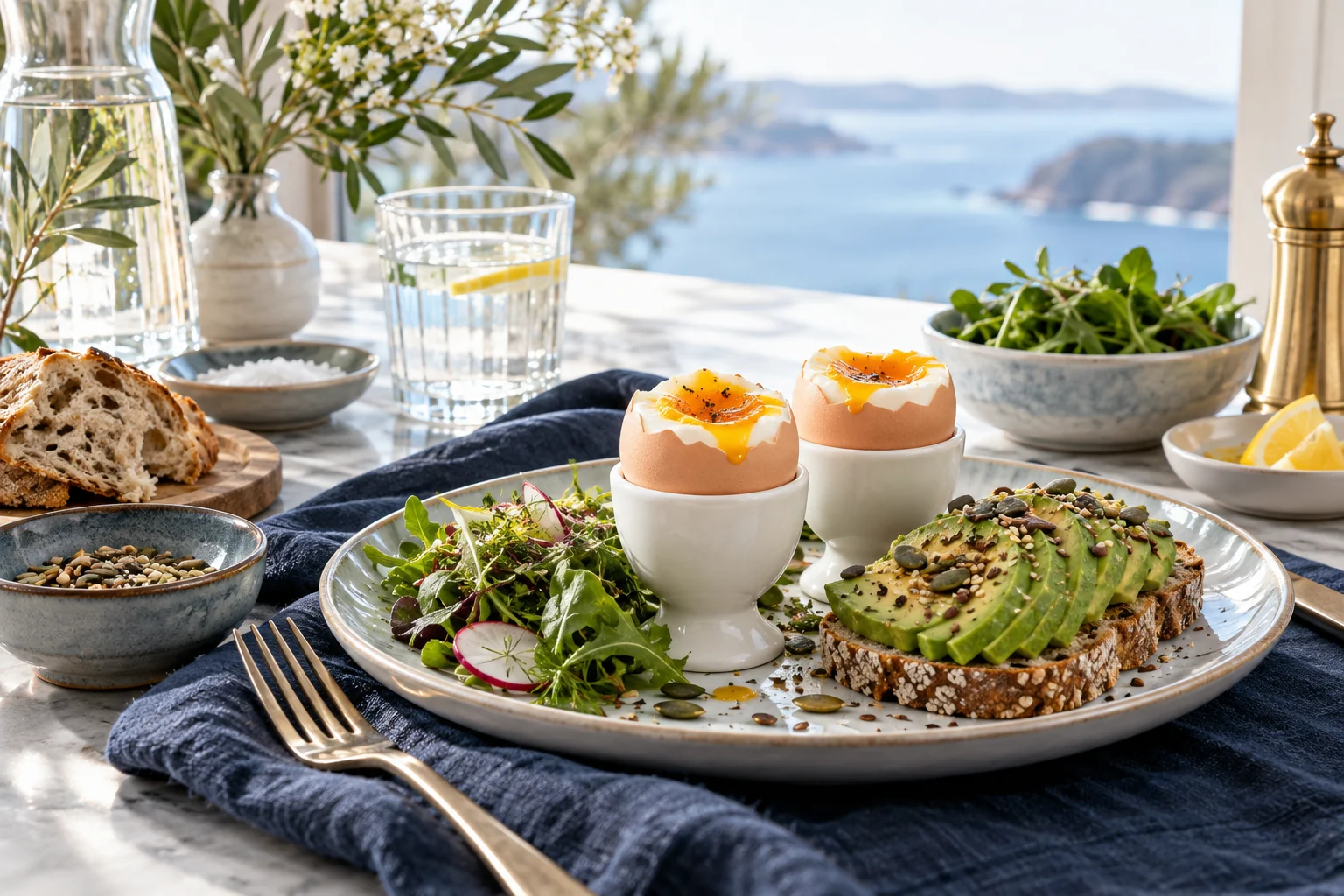
Intro
Read this as a practical routine, not a rigid formula.
A men's everyday wellbeing routine works best when food is practical, repeatable and built around normal workdays, sport, commuting and evening meals. The foods in Vita Harbour are useful because they can move: breakfast, lunch, dinner, snack, delivery request, home cooking and packed meals all use them differently.
The article keeps to careful editorial wording. Food can be part of a routine, it can help build rhythm, and it can make balanced meals easier to repeat. It does not need to make exaggerated promises to be useful.
Start with useful anchors
Men's everyday wellbeing is better served by regular food structure than by dramatic promises. Eggs, oats, yoghurt, lentils and oily fish are useful because they can be repeated in different meals.
A routine might start with oats in the morning, a lentil lunch, a yoghurt snack and a salmon plate in the evening. The details can change while the structure stays steady.
Make active days easier
Sport, walking, gym days and commuting all benefit from meals that are easy to plan. A packed lunch with lentils, greens and eggs is more useful than leaving the day to chance.
The article keeps the focus on food culture: what can be bought, prepared, packed and enjoyed without making the routine feel like a project.
Use protein without making it the whole story
Protein matters, but the plate needs more than protein. Vegetables, fruits, grains, nuts and seeds bring colour, fibre, crunch and variety.
A good routine places protein beside plants rather than replacing them. That is where the Top 10 list becomes practical.
Build a desk-friendly lunch
Lunch for office days needs to travel. Lentils, avocado, greens, boiled eggs, yoghurt dressing and seeds can be packed separately and assembled quickly.
This kind of lunch feels fresh because texture is protected until the last moment.
Keep supper flexible
Evening food should not rely on motivation alone. Salmon, eggs or lentils can anchor a supper while greens and vegetables provide volume.
The plan page turns this into a request by asking how many meals per day and how many people the week needs to support.
Give the week a reset point
A practical food routine includes one moment to check what is working. That might be Sunday oats, a fridge reset or a weekday reorder.
The goal is not perfection. It is a rhythm that makes the next good meal easier.
How this theme becomes a weekly edit
The practical move is to make the theme visible in several small decisions rather than one dramatic meal. A breakfast bowl can carry oats, yoghurt, berries, nuts and seeds. Lunch can bring leafy greens, lentils, eggs or avocado. Dinner can use salmon, vegetables, herbs and a simple grain or potato base. None of those meals needs to look identical, but they can still share a recognisable rhythm.
That rhythm is what makes the article useful beyond reading time. It gives the visitor language for the 7-day request: which foods feel welcome, which textures matter, whether lunches need to travel, and how active or slow the week is likely to be. The answer can then move from editorial inspiration into a plan that suits real days.
Reader notes before planning
Use the article as a shortlist, then choose the three or four ideas that would genuinely make the week easier. If mornings are rushed, start with oats or yoghurt. If lunches fall apart, start with lentils, eggs and greens. If dinners need more colour, place vegetables and fruits on the shopping list first instead of treating them as an afterthought.
The important part is not to copy every suggestion. The important part is to keep enough structure that shopping, cooking and delivery requests have direction. That is why each supporting article links back to the pillar story, across to related reading and forward to the 7-day plan.
Framework
A practical way to use the article this week
Use this table as a planning prompt before reading the weekly menu preview or opening the 7-day request form.
| No. | Planning move | How to use it |
|---|---|---|
| 1 | Start with useful anchors | Use one Top 10 food as the anchor, then add vegetables, fruits, grains or a finishing texture so the idea becomes a meal. |
| 2 | Make active days easier | Use one Top 10 food as the anchor, then add vegetables, fruits, grains or a finishing texture so the idea becomes a meal. |
| 3 | Use protein without making it the whole story | Use one Top 10 food as the anchor, then add vegetables, fruits, grains or a finishing texture so the idea becomes a meal. |
| 4 | Build a desk-friendly lunch | Use one Top 10 food as the anchor, then add vegetables, fruits, grains or a finishing texture so the idea becomes a meal. |
| 5 | Keep supper flexible | Use one Top 10 food as the anchor, then add vegetables, fruits, grains or a finishing texture so the idea becomes a meal. |
Turn reading into a week
Use the article as context, then build the 7-day request.
The plan page lets you share menu type, meals per day, number of people, ingredient preferences, allergens, delivery details and preferred start date.