Ingredient Standards
How Vita Harbour thinks about sourcing style, variety and freshness.
Ingredient standards are the quiet backbone of the site. They explain why the 10 foods were chosen, how the weekly menu keeps colour and texture, and how the 7-day request can stay practical without losing the magazine feeling.
The standard is not about rare ingredients. It is about good everyday logic: food should be recognisable, useful across several meals, compatible with British shopping routines and appealing enough to return to.
The method
Choose ingredients that work twice.
An ingredient earns its place when it can do more than one job. Oats can be breakfast and baking base. Yoghurt can be sweet or savoury. Lentils can be warm or cold. Seeds can finish avocado, oats, yoghurt or salads.
This is how the 10 foods become seven days without becoming repetitive.
Ingredient variety principles
The DAILY TEN standard starts with variety. A week should include fruit, vegetables, grains, pulses, fish, eggs, yoghurt, nuts and seeds in different roles rather than one repeated plate. Variety keeps the routine more useful and more enjoyable.
In practice, this means each ingredient is chosen for more than one job. It should help with flavour, texture, visual appeal, meal structure or weekly convenience. The standard is not luxury for its own sake; it is everyday food handled with care.
Vegetables and fruits
Vegetables and fruits are treated as colour, volume and freshness. Leafy greens, berries, avocado, citrus, cucumber and seasonal produce can make meals feel bright without needing complicated preparation.
In practice, this means each ingredient is chosen for more than one job. It should help with flavour, texture, visual appeal, meal structure or weekly convenience. The standard is not luxury for its own sake; it is everyday food handled with care.
Oats, lentils, grains, nuts and seeds
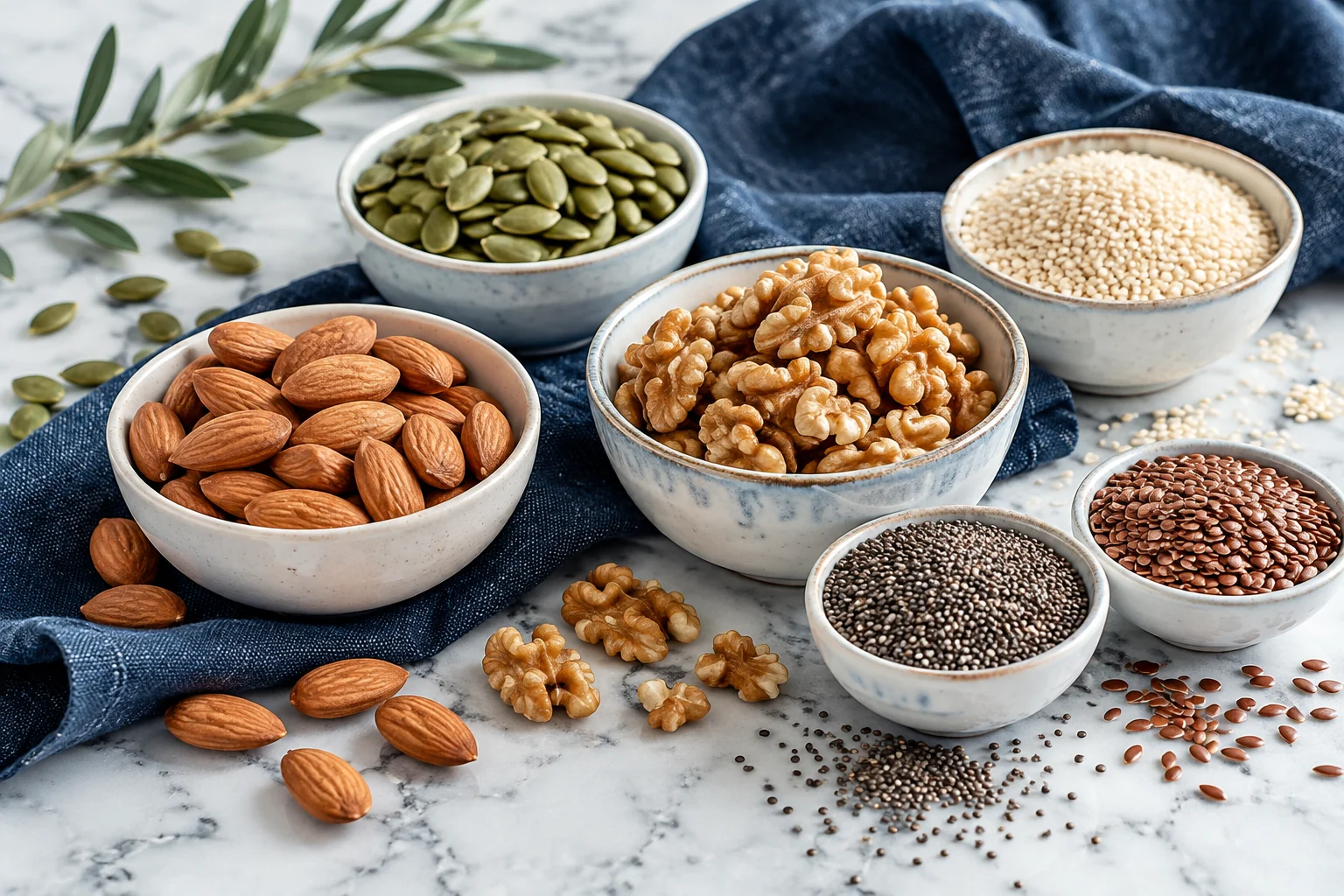
Pantry foods provide rhythm. Oats steady breakfast, lentils support lunch and supper, nuts bring crunch, and seeds finish plates with texture. The pantry should make the next meal easier to build.
In practice, this means each ingredient is chosen for more than one job. It should help with flavour, texture, visual appeal, meal structure or weekly convenience. The standard is not luxury for its own sake; it is everyday food handled with care.
Salmon, oily fish and eggs
Fish and eggs are practical anchors. They can be cooked simply, paired with greens, or included in delivery-ready meals that still feel composed.
In practice, this means each ingredient is chosen for more than one job. It should help with flavour, texture, visual appeal, meal structure or weekly convenience. The standard is not luxury for its own sake; it is everyday food handled with care.
Yoghurt and fridge staples
Greek-style yoghurt works as breakfast base, snack, dressing or side. Simple fridge staples make the week more flexible because they can change direction quickly.
In practice, this means each ingredient is chosen for more than one job. It should help with flavour, texture, visual appeal, meal structure or weekly convenience. The standard is not luxury for its own sake; it is everyday food handled with care.
Storage and freshness rhythm
Good storage protects the plan. Leaves should be dry, dressings separate, nuts and seeds sealed, and cooked lentils cooled and stored with the next two meals in mind.
In practice, this means each ingredient is chosen for more than one job. It should help with flavour, texture, visual appeal, meal structure or weekly convenience. The standard is not luxury for its own sake; it is everyday food handled with care.
Storage rhythm
Practical freshness prompts
| Ingredient group | Storage idea | Weekly use |
|---|---|---|
| Leafy greens | Keep dry and dress late | Lunch bases, egg plates, wraps |
| Berries | Keep visible and use early | Oats, yoghurt, snacks |
| Lentils | Cook ahead and cool properly | Bowls, salads, sides |
| Nuts and seeds | Seal well and toast small batches | Texture finish across the week |
How standards shape the request
The standards page also gives the request form a clearer job. When a visitor mentions a preference, the team can read it through the same lens as the rest of the site: repeatable breakfasts, colourful lunches, useful pantry items, vegetables and fruits that will actually be eaten, and dinners that still feel calm after a long day.
This keeps the brand consistent. The food stays recognisable, the writing stays careful, and the plan remains connected to the ten-food concept rather than turning into a random weekly list.
Visual and practical standards work together
The image style on the site is not only decoration. Clear bowls, bright produce, ceramic plates and visible textures show the same standards that the copy describes. Readers can see the role of greens, seeds, yoghurt, berries and fish before they read the finer detail.
That connection helps the site feel complete. The standards page supports the photography, the menu preview supports the form, and the footer gives visitors a reliable route back to every major part of the site.
Use the standards